
1. Home
  2. Guides
  3. Deep tissue vs Swedish massage

Massage styles

Deep tissue vs Swedish massage

Swedish massage usually uses long, flowing strokes and kneading. Deep tissue uses slower, more focused pressure. Choose based on how you like a massage to feel and the areas you want worked on. You can ask for a pressure change at any time.

Open
Mon — Thu 9:30 AM — 9:00 PM · Fri — Sun 9:30 AM — 9:30 PM
Address
8338 E 21st St, Suite #311, Wichita, KS 67206
Parking
Free parking in the plaza lot in front of the studio.
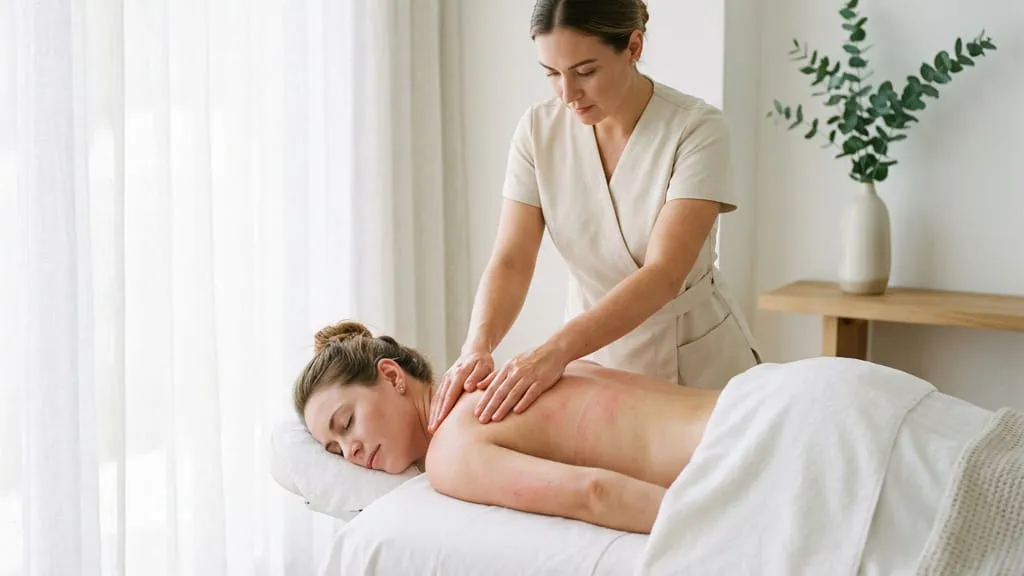
A therapist working with slow, braced pressure into the muscle across a guest's shoulder blade

The short answer

The main difference between deep tissue and Swedish massage is how the therapist works: Swedish emphasizes flowing strokes, while deep tissue uses more focused pressure. At Crystal Massage, deep tissue starts at 60 minutes for $70. Ask for Swedish when discussing a body massage appointment.

Body massage: 30–120 minutes · Deep tissue: 60–120 minutes

A guide from Crystal Massage in Wichita, Kansas. General wellness information, not medical advice.

The main difference

What is the difference between deep tissue and Swedish massage?

Swedish massage uses techniques such as gliding strokes and kneading. Deep tissue generally moves more slowly and applies focused pressure. Both involve working with the body's soft tissues.

A style name alone doesn't tell you how a session will feel. Explain whether you want gentle pressure, firmer work or extra attention to one area. Ask the therapist to describe their approach if you're unsure.
Deep tissue

What to expect from deep tissue massage

Deep tissue may suit someone who prefers firmer pressure and wants attention on a specific area, such as the shoulders. The therapist may use hands, forearms or elbows. Firm pressure should still feel manageable.

Tell the therapist about injuries, medical conditions and areas that are sensitive. NCCIH’s massage overview notes rare reports of serious harm, including some involving vigorous massage. Ask a health care provider first if you're unsure whether deep tissue is appropriate for you.

Pain is a reason to speak up

Ask the therapist to stop if pressure causes sharp, burning or shooting pain. Don't wait until the end of the session to mention it. New or unexplained pain needs medical advice.

You can ask for lighter pressure, a different focus area or a pause at any point.

Swedish massage

What to expect from Swedish massage

Swedish massage is an option to ask about when you want flowing, general body work. Pressure can vary, so say whether you prefer light or firm strokes. You don't need to choose the strongest pressure to have a useful session.

Crystal Massage lists Swedish among its offered styles. It doesn't have a separate priced menu entry. Ask for it when discussing body massage with the front desk, and confirm the session details before booking.

The American Massage Therapy Association discusses massage in the context of general well-being. That does not establish that one style is best for every person.

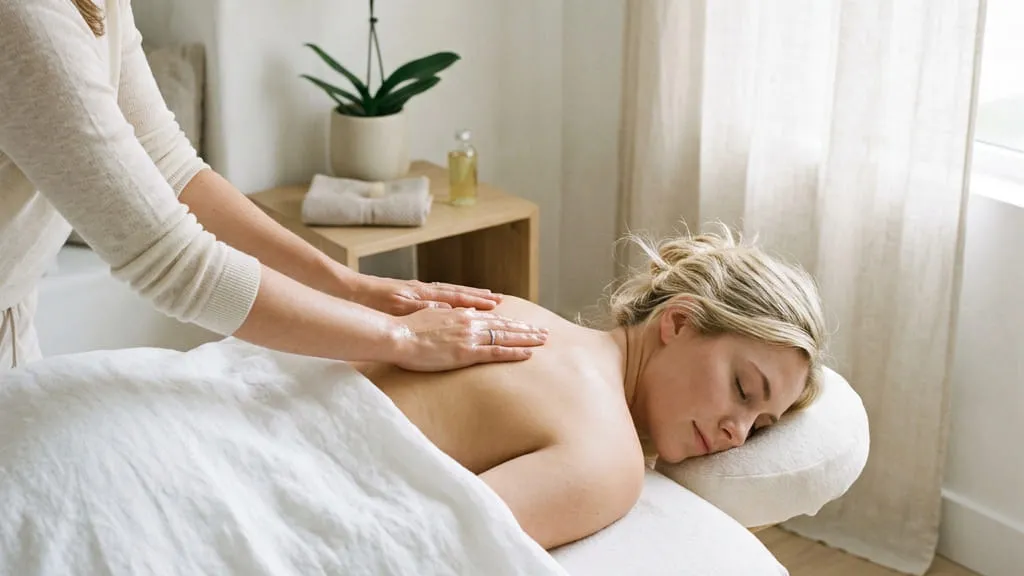
A lighter, gliding Swedish stroke drawn with a flat open palm along the upper back and shoulder
Swedish massage uses long strokes and kneading. Tell your therapist how much pressure feels comfortable.

Your comfort

How much massage pressure should you choose?

Start with a level that lets you relax comfortably. If you're holding your breath, tensing up or waiting for a stroke to finish, ask for less pressure. You can also ask for more if it feels too light.

Soreness can happen after massage, but it isn't a measure of success. Tell the therapist if you felt sore after a previous visit. Seek medical advice for severe, worsening or persistent symptoms.

Simple ways to ask for a pressure change
What you feelWhat to say
Too much pressure “Lighter, please.”
Too little pressure “Could you use a little more pressure?”
An area you want skipped “Please avoid this area.”
Pain or discomfort “Please stop.”

Massage research

What can massage help with?

Massage may help with relaxation and everyday muscle tension. NCCIH’s research summary describes possible short-term benefits for some pain problems, while noting that the evidence varies in quality.

These findings don't establish that deep tissue is better than Swedish massage, or that either will solve a particular health problem. Massage is not a substitute for medical care. NCCIH’s safety guidance recommends discussing health concerns with your provider and sharing relevant information with the therapist.

Before you book

How to ask for the massage you want

You can keep the request simple: “I'd like a relaxing body massage with light pressure,” or “I prefer firm pressure and would like extra time on my shoulders.” Mention areas to avoid and any health concerns before you begin.

Call (316) 246-3999 to discuss availability. You can also book online through Vagaro. For your first visit, see what to expect at a massage. Our arrival guide explains how to find the studio.

At a glance

Quick reference

Swedish massage
Long strokes and kneading; ask about pressure when booking
Deep tissue massage
Slower, focused pressure on areas you want addressed
Body massage lengths
30, 60, 90 or 120 minutes
Deep tissue lengths
60, 90 or 120 minutes
Menu comparison
Body massage and deep tissue have the same prices at all 3 shared lengths
Booking
Call (316) 246-3999 to discuss the session you want

Using this guide

Who this guide is for

  • Choosing between flowing strokes and more focused pressure.
  • Preparing to explain your preferences to a therapist.
  • Comparing body massage and deep tissue session lengths.

Before your appointment

Mention recent injuries, medical conditions and any areas you want avoided before the session.

Ask your health care provider if you are unsure whether massage is suitable for you.

Call (316) 246-3999 to confirm the style and length you want.

FAQ

More questions

What is the main difference between deep tissue and Swedish massage?

+

Swedish massage usually uses flowing strokes and kneading. Deep tissue generally uses slower, more focused pressure. The pressure can vary within either style, so describe what feels comfortable to you.

Does deep tissue cost more than body massage?

+

At Crystal Massage, the prices are the same at 60, 90 and 120 minutes. Body massage also has a 30-minute option; deep tissue starts at 60 minutes.

How do I book Swedish massage?

+

Ask for Swedish when you call about body massage. Swedish is an offered style, but it does not have a separate priced menu entry. Confirm the session details with the front desk.

Should deep tissue massage hurt?

+

You should not feel you have to tolerate pain. Ask for lighter pressure or stop if a stroke hurts. Seek medical advice for sharp, unexplained, severe or persistent pain.

Do I need an appointment?

+

Call (316) 246-3999 to check availability and book a time. Please mention if you're booking for two people. You can also book online through Vagaro.

Where do I park?

+

Park in the free plaza lot in front of Crystal Massage at 8338 E 21st St, Suite #311, Wichita, KS 67206. Look for Suite 311 in The Shops at Tallgrass, on the north side of 21st Street just east of Rock Road.

Is massage a replacement for medical care?

+

No. Massage may help with relaxation and everyday muscle tension, but it is not a substitute for medical care. If you have a health condition, a recent injury or severe or persistent pain, ask a clinician whether massage is suitable before booking.

Book a massage appointment

Call to discuss the session you want and check availability. We're open Mon — Thu 9:30 AM — 9:00 PM · Fri — Sun 9:30 AM — 9:30 PM.

Crystal Massage · 8338 E 21st St, Suite #311, Wichita, KS 67206 · Open seven days · (316) 246-3999

Crystal Massage, Wichita, Kansas Page last updated